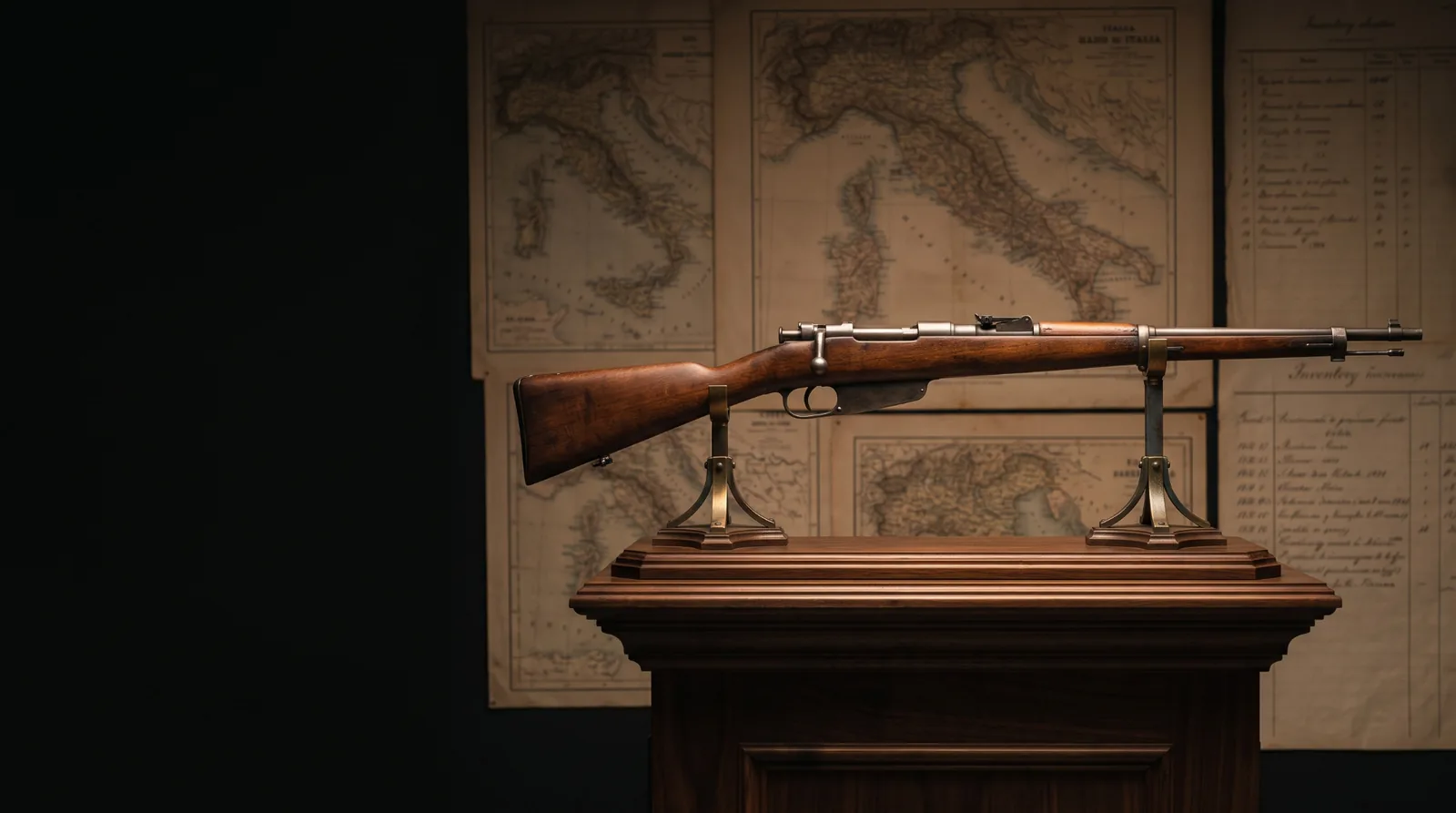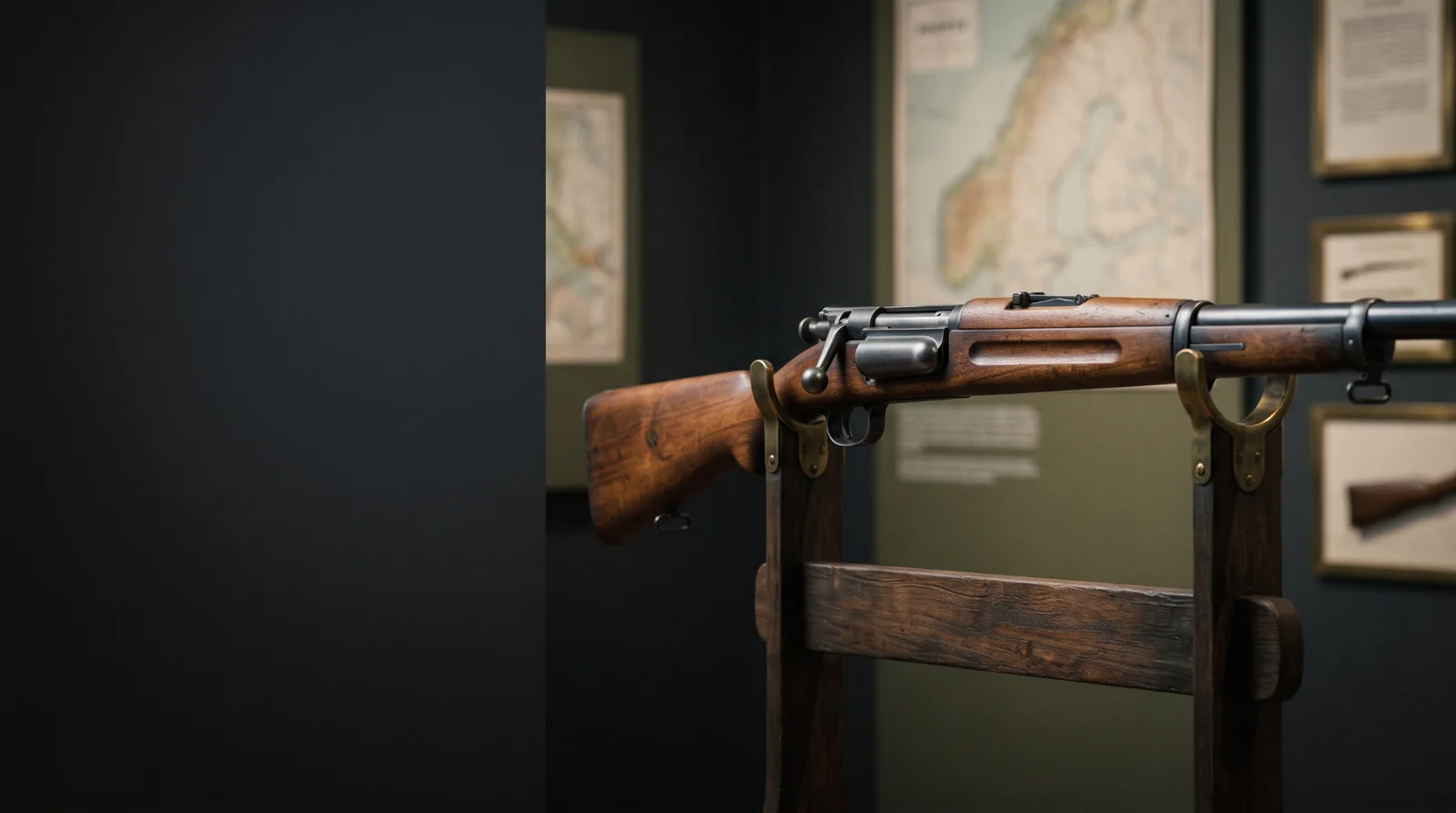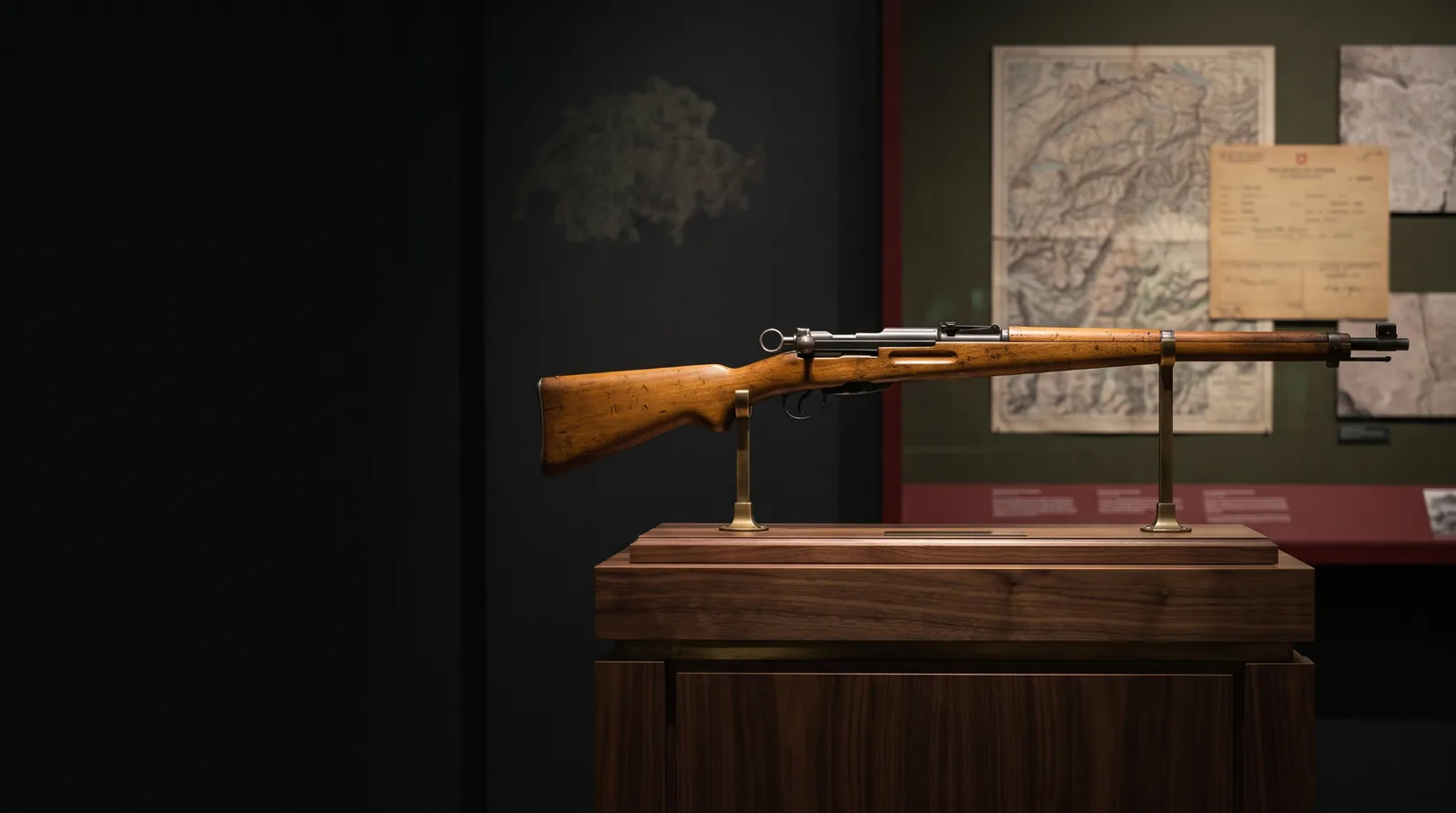
Swiss K31 is a rifles history rooted in Switzerland. First associated with 1933, the design belongs to the wider story of national service rifles. Its history is best understood through the people, institutions and events behind its name—not as a present-day product listing.
01 / THE ORIGIN
The K31 emerged from Switzerland’s long rifle-making tradition and its distinctive system of military organization. Its place in history is tied to national service, careful arsenals, and a culture of precision manufacturing rather than to an overseas empire.
02 / THE HISTORICAL JOURNEY
The model belongs to a Swiss sequence that includes earlier Schmidt–Rubin-pattern service rifles. The terms are often mixed in casual searches, but collectors and historians distinguish the 1931 carbine’s identity and production period.
03 / NAMES, VARIANTS & IDENTITY
The K31 is related to earlier Swiss rifles but is not simply the same model renamed. Dating the particular variant matters.
Names also encountered in historical catalogs and searches include K31; Karabiner 31; Swiss Schmidt Rubin. These terms are useful starting points, not proof that two photographed objects share the same maker, date, or military provenance. When reading about a particular surviving specimen, look for a documented institutional collection number, manufacturer record, or contemporary source.
04 / WHY THIS MODEL MATTERS
Its story offers a compelling alternative to the usual narrative of rifles defined chiefly by major international wars. Neutrality did not mean an absence of military manufacturing or institutional change.
The broader context is the history of national service rifles. Political institutions, supply contracts, and public memory often determine which firearms remain famous and which survive mainly through specialist archives. These distinctions matter more than modern rankings or unsupported claims of superiority.
Read the new source-led dossier →
THE RESEARCH DOSSIER
The Swiss Model 1931 is more accurately understood through the confederation’s evolving service-rifle program than through the collector shorthand “Schmidt–Rubin.”
01 / A national rifle, not a battlefield export story
The K31 belongs to Switzerland’s long investment in a citizen-soldier military and government-controlled small-arms manufacture. The model is associated with the 1931 design program and was issued in the following years. Its place in history was shaped by Swiss training, standardization and domestic defense rather than the global combat circulation that made some contemporary rifles famous. A museum biography should therefore explain how it fitted Swiss national institutions, not borrow the war chronology of the Mauser, Lee–Enfield or Mosin–Nagant. The Swiss service context matters just as much as the physical form.
02 / Naming, design lineage and collectors’ traps
The K31 uses a straight-pull bolt system and belongs to a family of Swiss service rifles often grouped as “Schmidt–Rubin.” That collective label can obscure the Model 1931’s distinct redesign and production identity. Historians should distinguish the Model 1889 and later Model 1911 from the K31 when discussing manufacturing dates, dimensions and marks. The rifle’s proper Swiss designation is part of the historical story: “Karabiner Modell 1931” is not a synonym for every Swiss straight-pull rifle. A date on a later ownership record also should not automatically be treated as the year the specimen left Waffenfabrik Bern.
03 / A stronger evidence trail
Original Swiss service manuals and later archival compilations are more useful than anonymous internet serial-number charts when reconstructing the K31. The collected historical documentation at K31.ch includes rifle-family manuals and material on production cohorts; it is a research gateway, not an official authentication of any particular photographed object. Contemporary retrospective research on 7.5 mm Swiss ammunition offers further context for the national system surrounding the rifle. Future archival work should prioritize factory and military procurement records, markings tied to a documented specimen, and dated institutional photographs. The generated museum portrait on this page is an illustration, not evidence of an actual accessioned K31.
Still to verify. Verify the exact relationship between 1931 model designation, first issue dates, and any claimed production totals against Swiss federal archival records. Historical museum images on this page are AI illustrations, not authenticated photographs of a particular object.
THE HISTORICAL TIMELINE
Earliest major introduction or designation associated with this record
The defining historical setting for the model's service and reputation
Variants, national service histories, and museum documentation add important context
Preserved as part of military, sporting or industrial-design history
COMMON HISTORY QUESTIONS
What country did the Swiss K31 originate in?
The design's principal origin is Switzerland. This is an origin label, not a claim that every later example was manufactured in the same country.
When was the Swiss K31 introduced?
1933 is the principal milestone used for this record. Prototype dates, military adoption, production, and later models may differ; always check which event a secondary source is dating.
What other names are associated with it?
Common search terms include K31; Karabiner 31; Swiss Schmidt Rubin. They may encompass nicknames, related service designations, or model-family references; consult primary documentation before equating specific variants.
EXPLORE CONNECTED HISTORIES
These neighboring biographies help place the model in a broader national or industrial context, without implying they are mechanically identical:
- Carcano Model 91 — Italy
- Krag–Jørgensen — Norway
SOURCES & FURTHER READING
These links are editorial starting points. Where a linked source concerns a wider model family, a particular example or variant requires its own verification. This page is a historical overview, not an instruction manual.
1 external reading source currently listed. This biography is a historical research overview; these links are research starting points and may cover a wider model family. They are not a claim that every detail has been independently verified. Our editorial method.
- Historical source: www.forgottenweapons.com ↗READING
- Swiss K31 document collection ↗RESEARCHScanned historical manual references and model-family documentation; compiler-hosted, not a government provenance certificate.
- Shooting Sports USA: 7.5 Swiss history ↗RESEARCHBackground on Swiss service cartridge and model lineage.
EDITORIAL EXPANSION: NOVEMBER 2026 · HISTORICAL STUDY · NO SALES, TRANSFERS OR MODIFICATION GUIDANCE.