Each national service rifle carries more than a model number. Its adoption often marks a debate about geography, neutrality, industry, alliances, and state institutions. These profiles put smaller or less familiar national histories in the foreground. They also show why a museum record needs dates, provenance, and exact designations rather than a single national stereotype.
HOW TO USE THIS COLLECTION
Start with the earliest model and follow the names into later national designs. A family resemblance, common military alliance, or shared decade does not by itself establish a common factory, designer, or interchangeable model. Each link leads to a dated biography with readings and a summary of the historical limits of the evidence.
THE MODELS IN THIS READING PATH
These entries represent distinct institutions, time periods, and historical questions. Together they provide a stronger foundation than a single list of specifications.
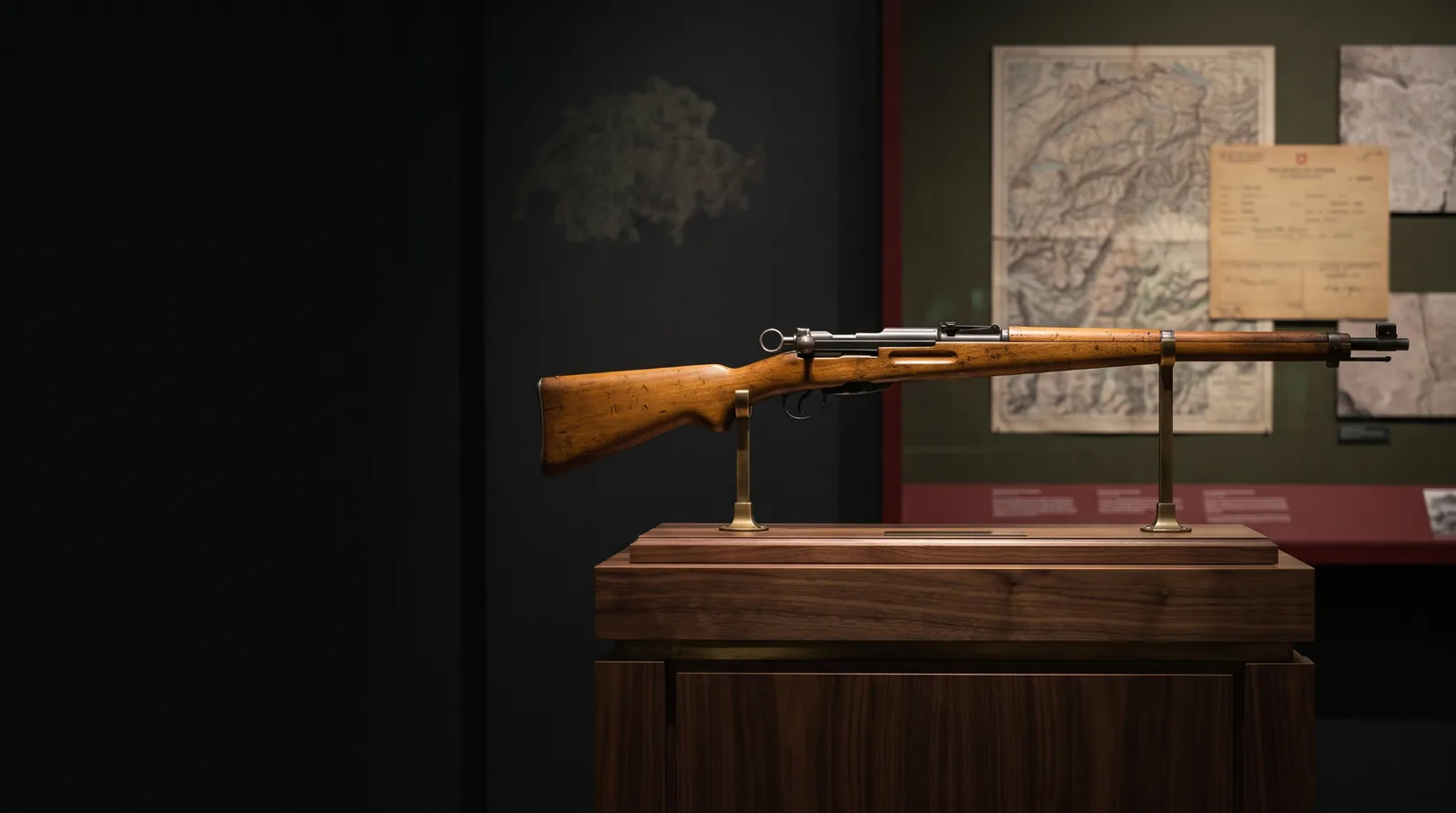
- Swiss K31 — A straight-pull Swiss military identity.
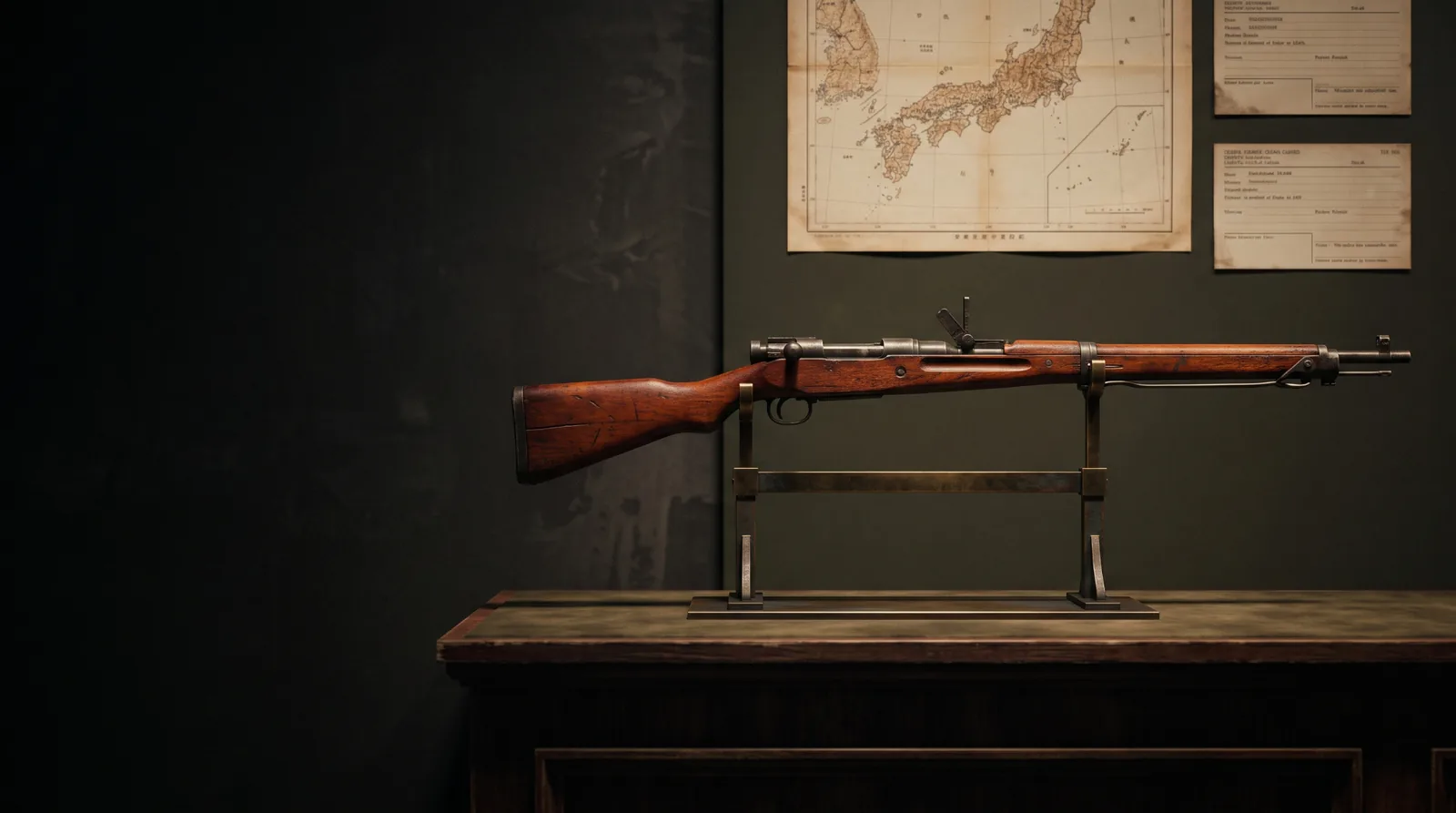
- Arisaka Type 99 — Japan's later-war service rifle, beyond the Type 38.
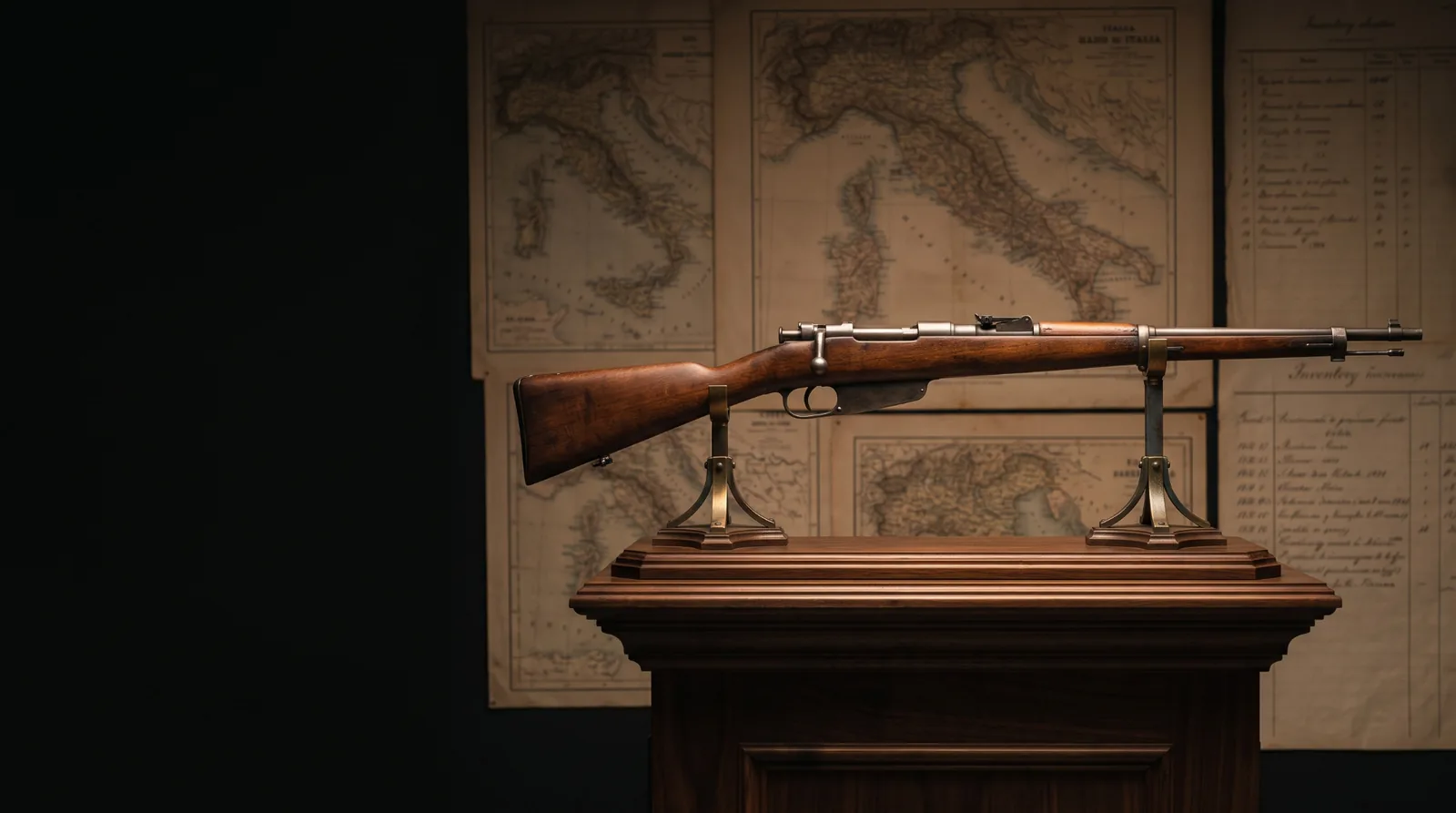
- Carcano Model 91 — The Italian service-rifle family that endured for decades.
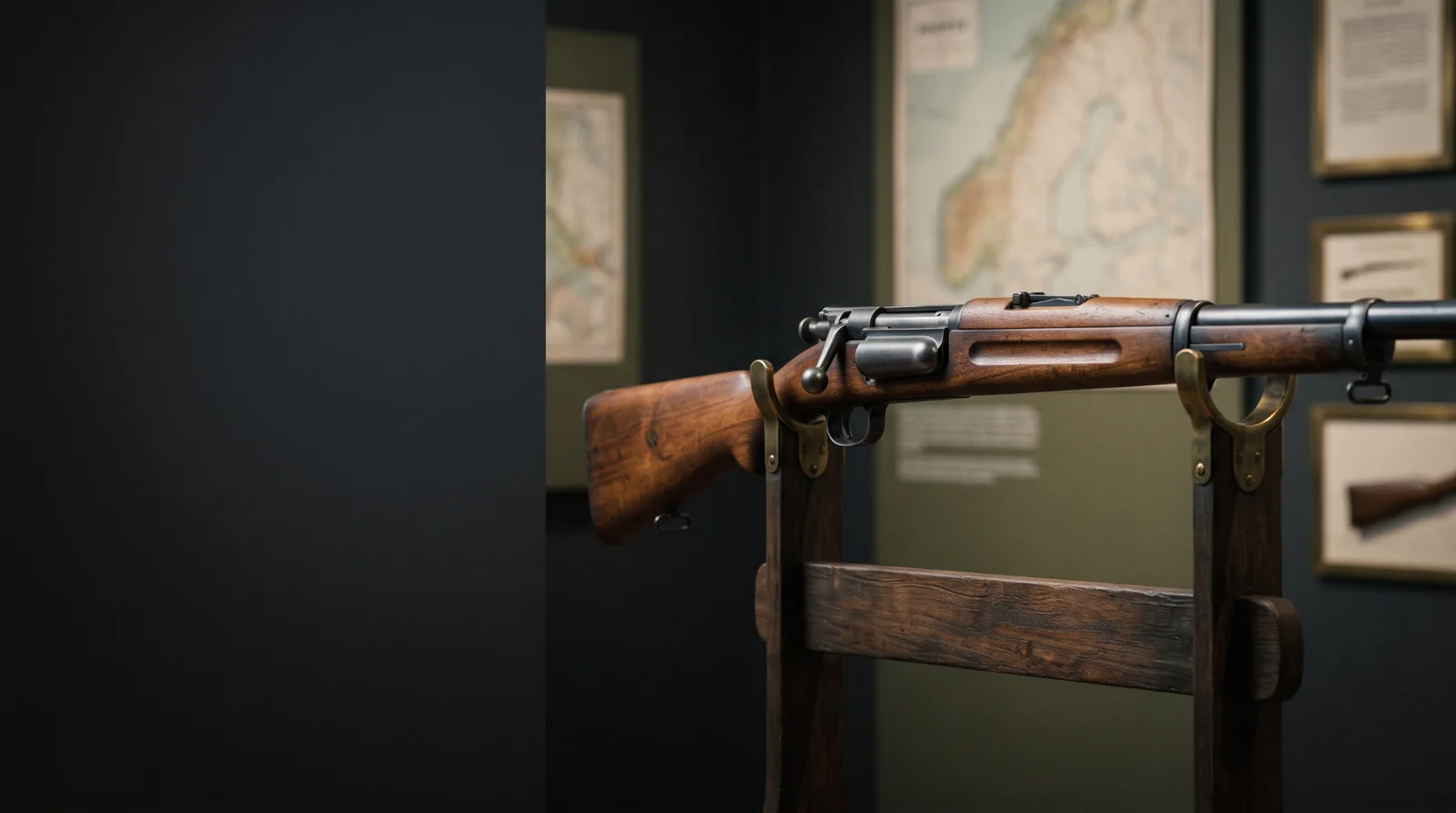
- Krag–Jørgensen — A Norwegian design with an international service story.
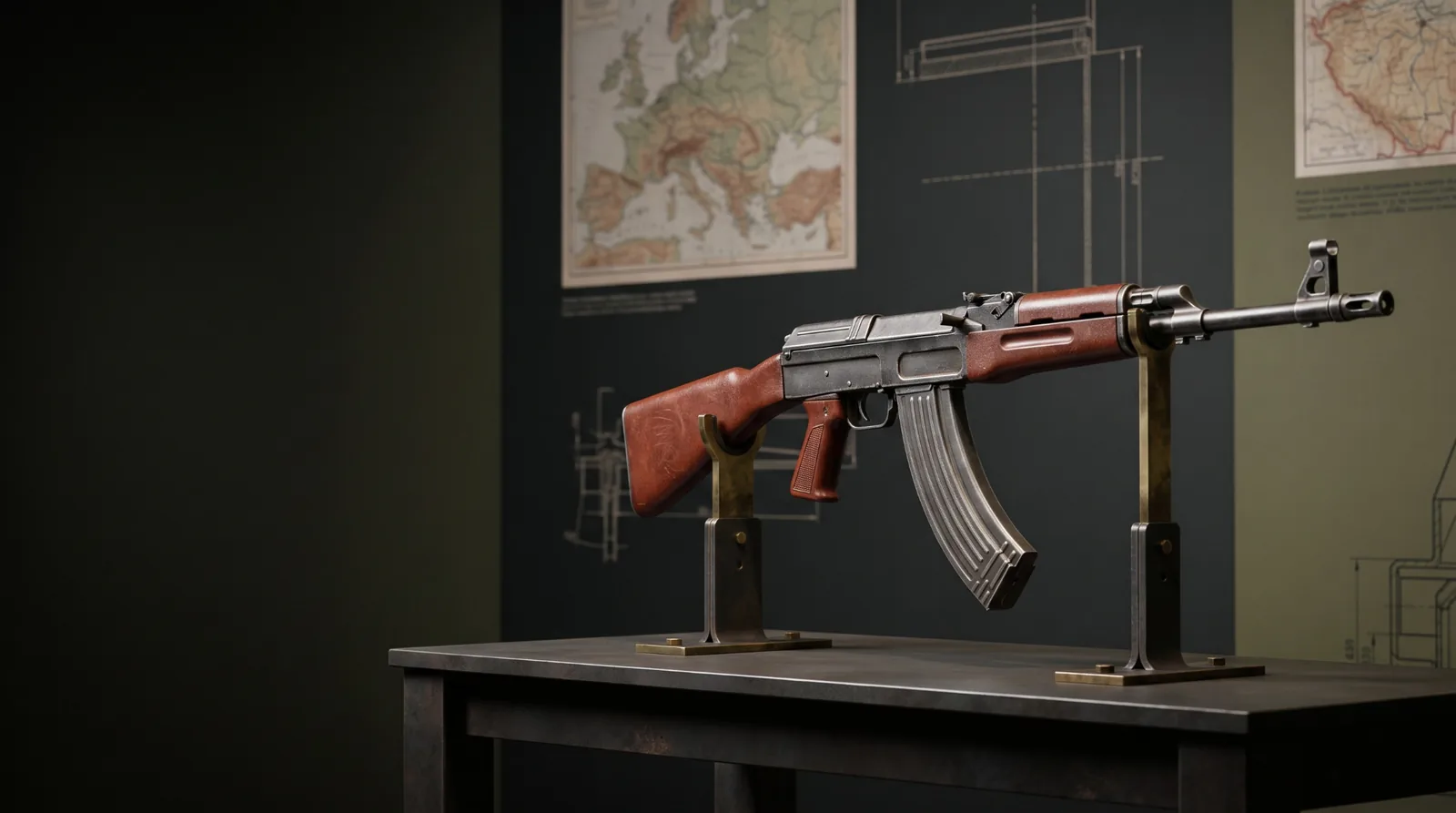
- Sa vz. 58 — Not an AK: a Czech Cold War original.
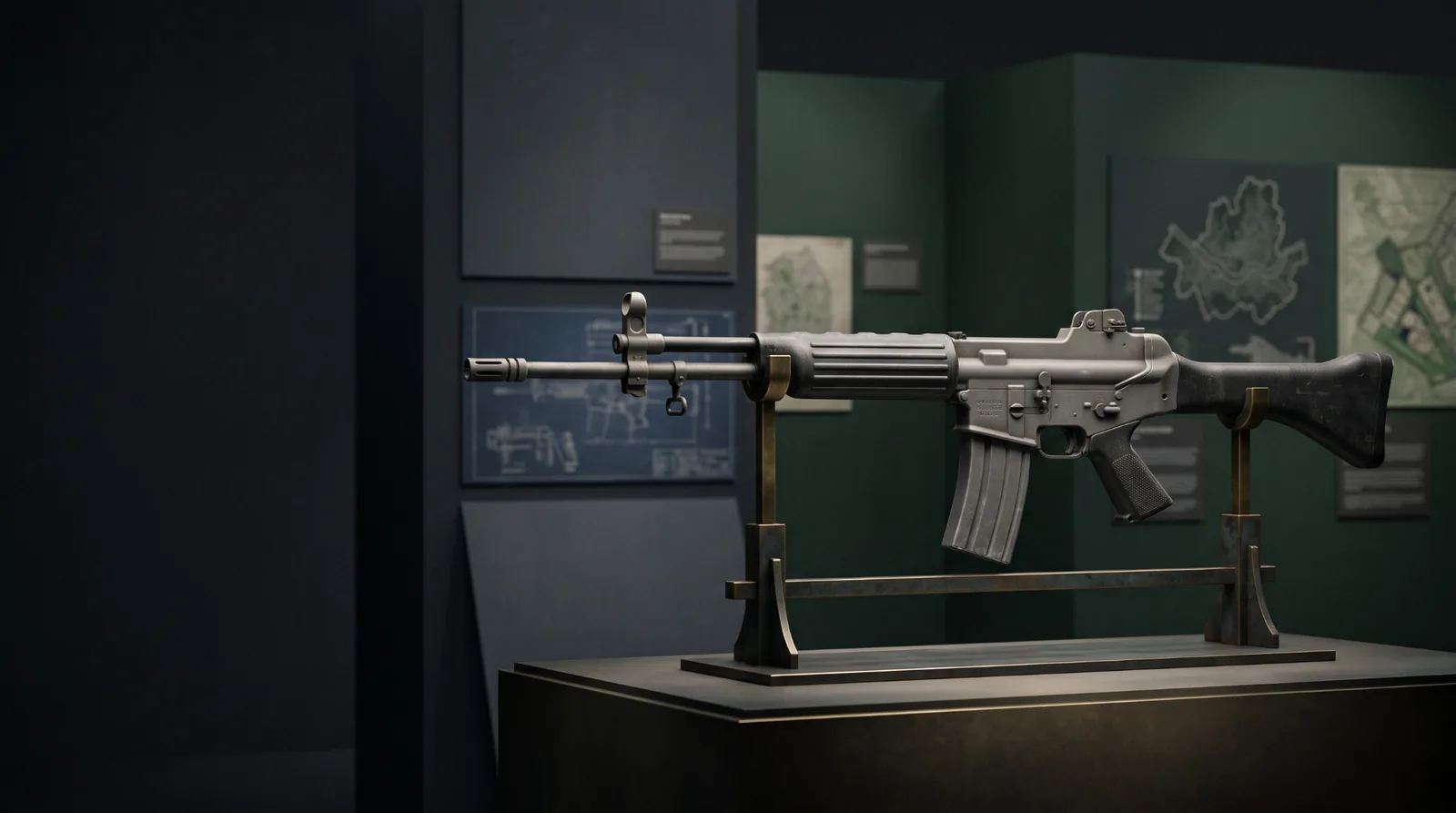
- Daewoo K2 — South Korea's homegrown rifle in the Cold War era.
THE COLOMBIAN COVER STORY
The archive also follows the documented INDUMIL Jaguar program and separately presents Jaguar Civil as a speculative editorial question—not an announced or available firearm.