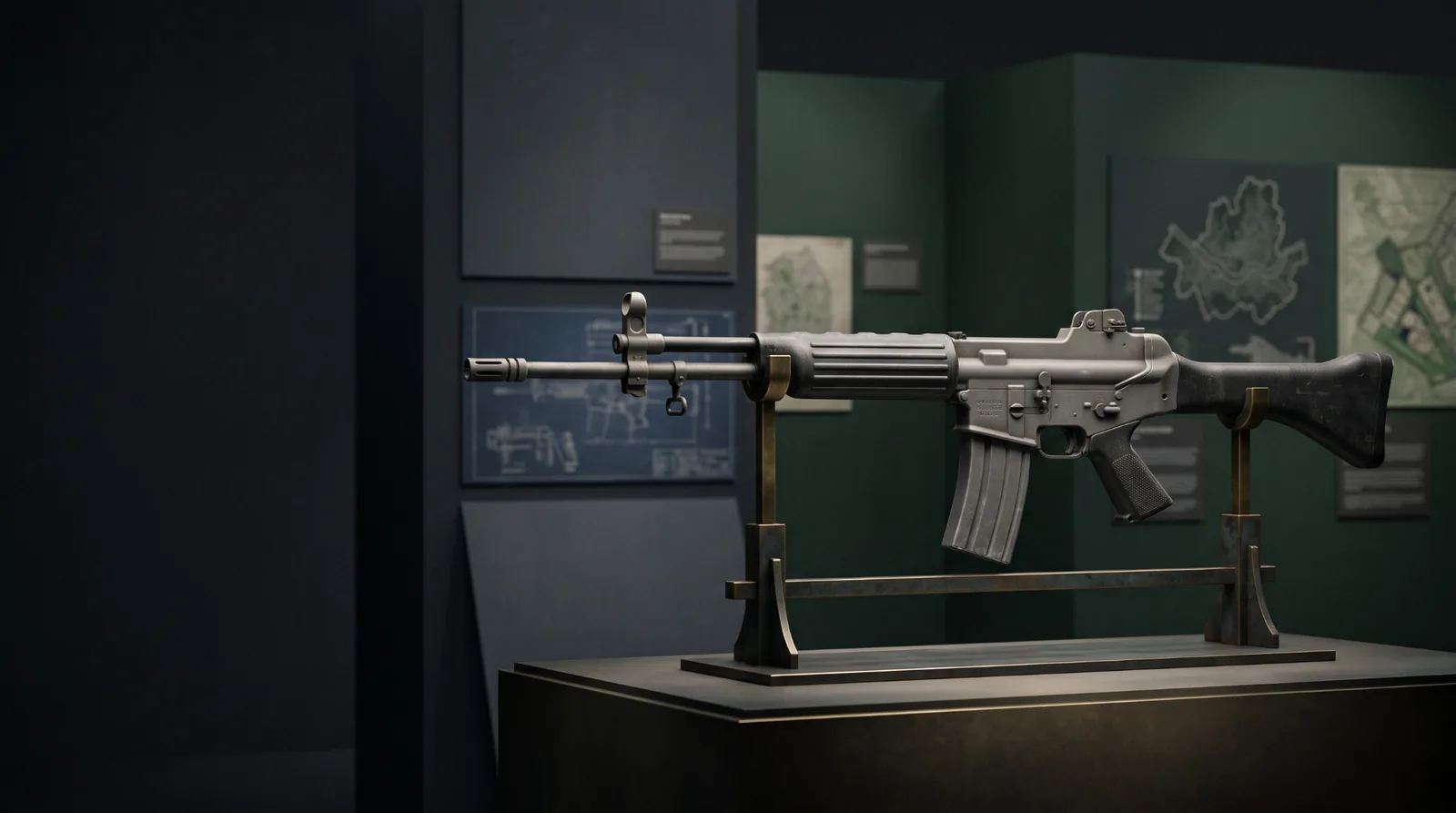
The Cold War is often compressed into a story about two great rifle families. The archives tell a more complicated story: national arsenals protected their own engineering traditions, allies disagreed about service standards, and procurement reflected industrial sovereignty as much as hardware. Czechoslovakia, Spain, West Germany, and South Korea each pursued a different route. The result is a more revealing history of postwar Europe and Asia.
HOW TO USE THIS COLLECTION
Start with the earliest model and follow the names into later national designs. A family resemblance, common military alliance, or shared decade does not by itself establish a common factory, designer, or interchangeable model. Each link leads to a dated biography with readings and a summary of the historical limits of the evidence.
THE MODELS IN THIS READING PATH
These entries represent distinct institutions, time periods, and historical questions. Together they provide a stronger foundation than a single list of specifications.
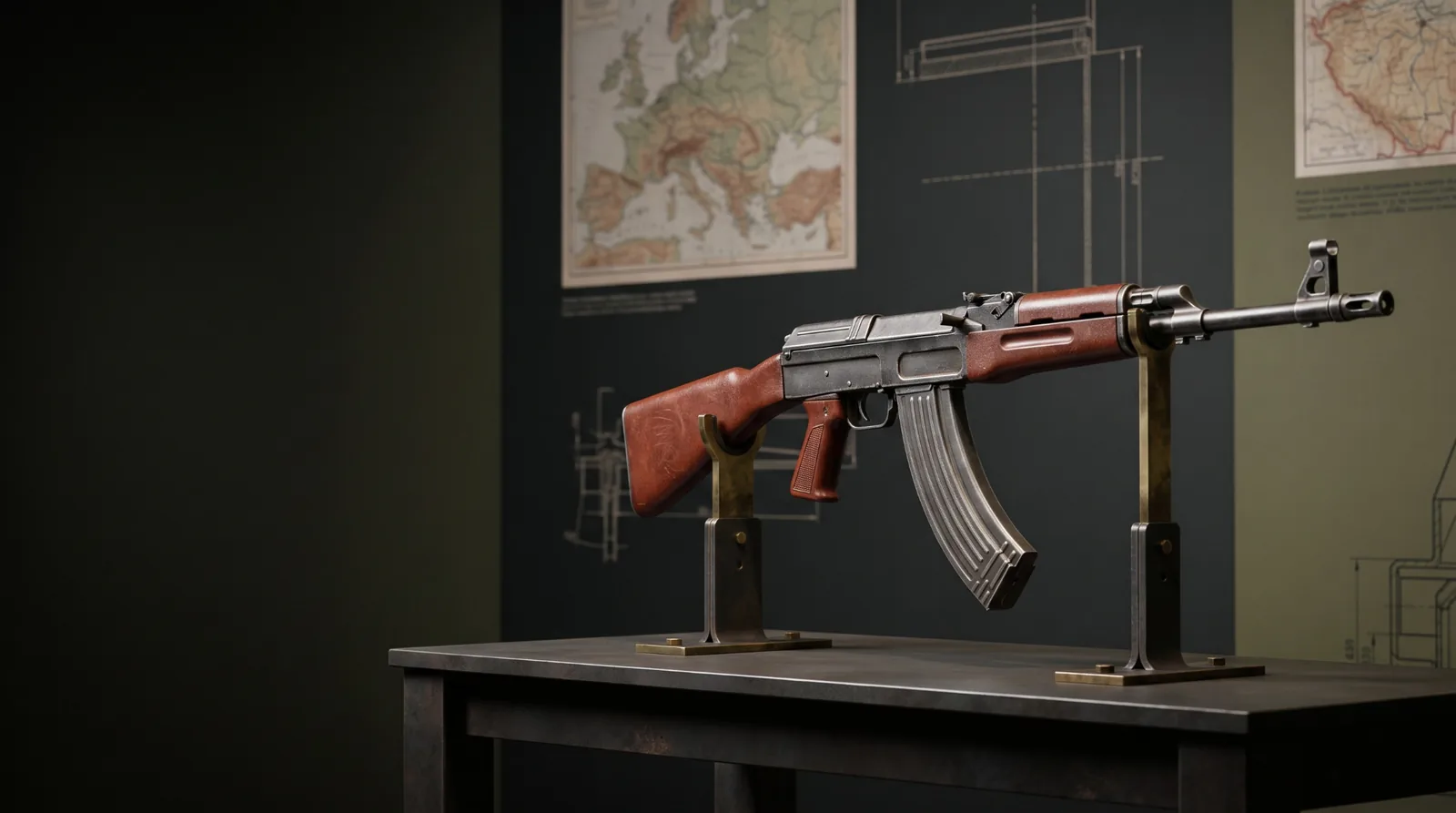
- Sa vz. 58 — Not an AK: a Czech Cold War original.
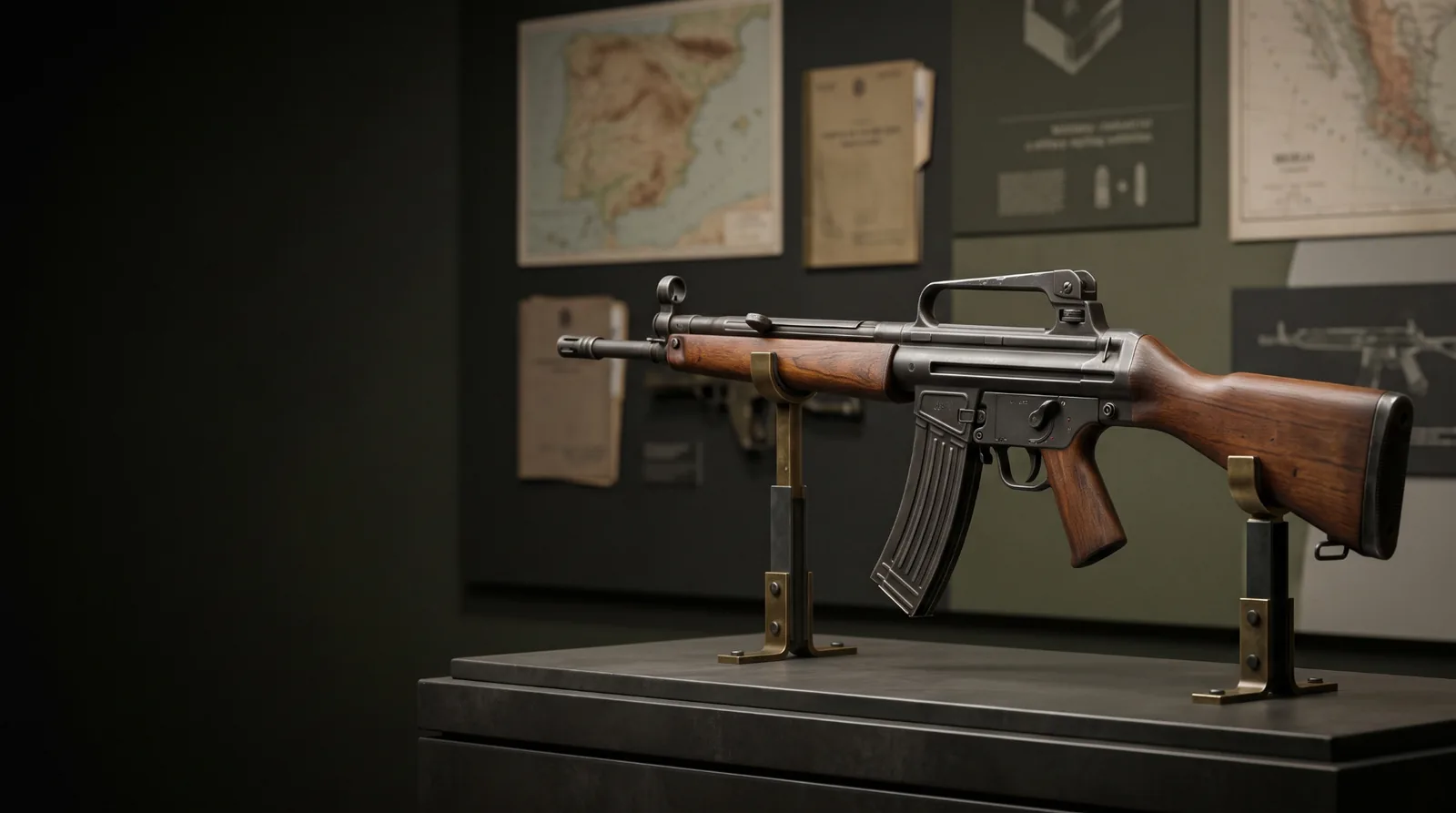
- CETME Model C — The Spanish branch of the G3 family tree.
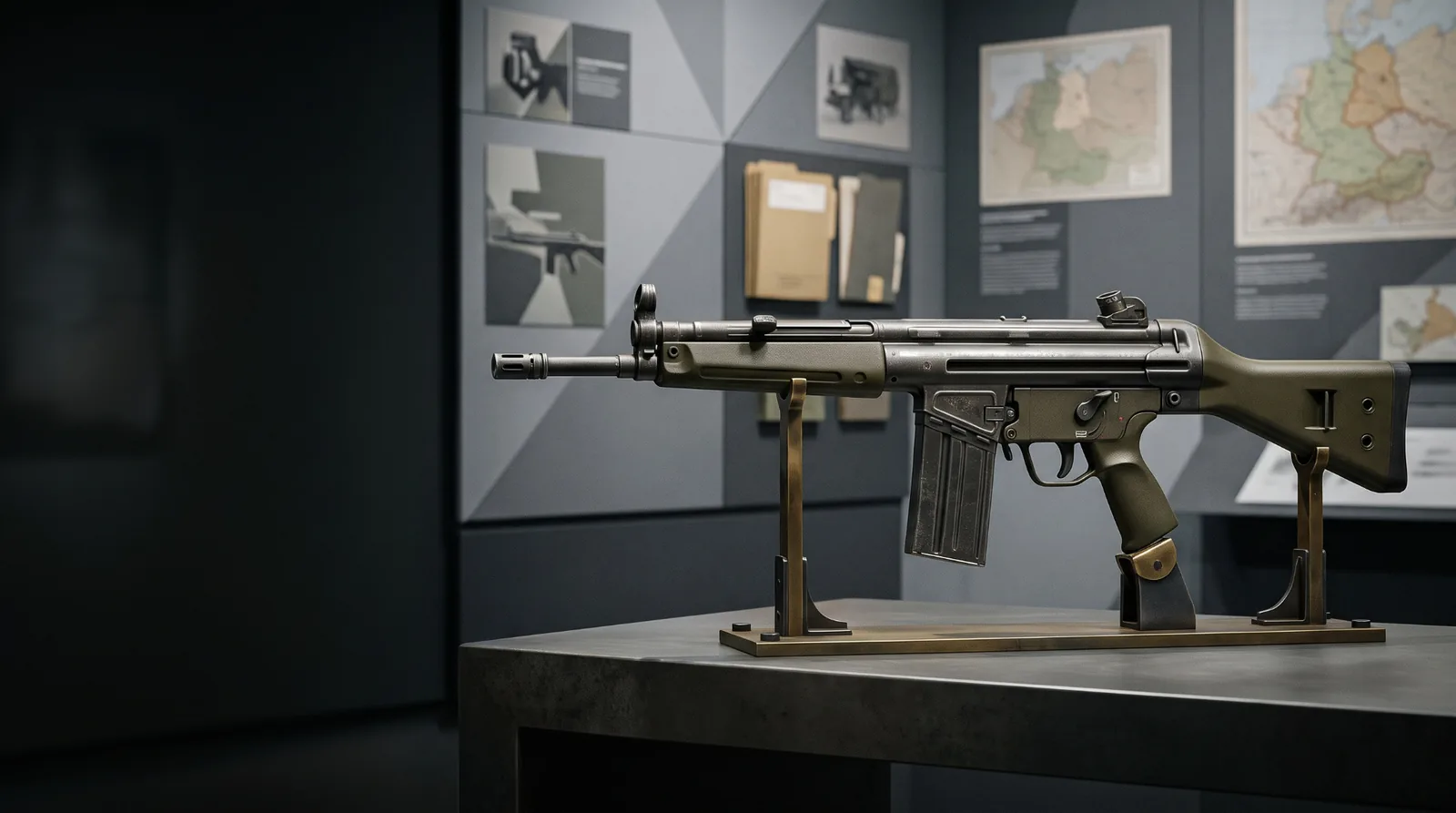
- Heckler & Koch G3 — How a German service rifle grew from a Spanish lineage.
- SKS-45 — The transitional Soviet carbine.
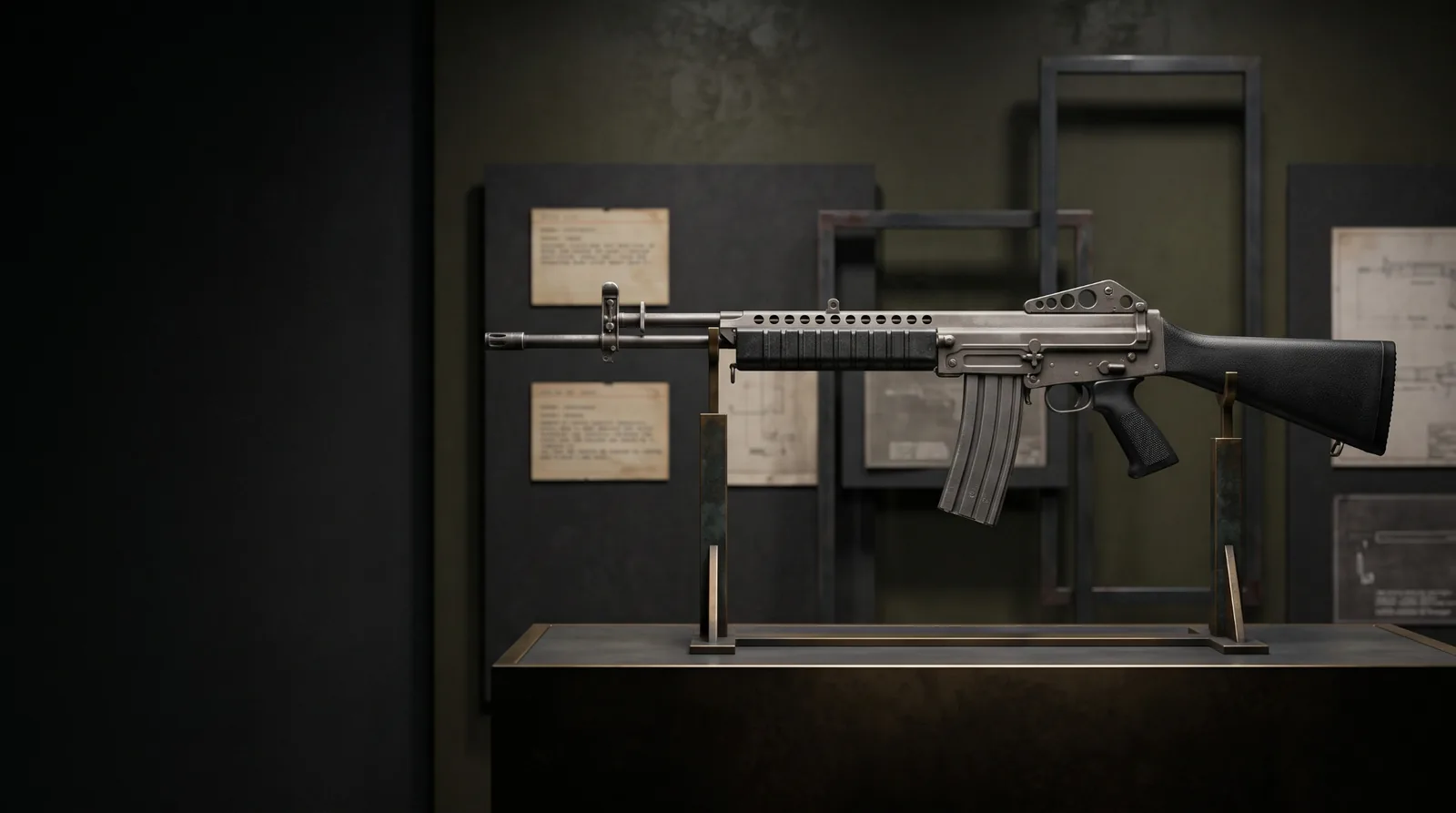
- Stoner 63 — A modular family ahead of its time.
- Daewoo K2 — South Korea's homegrown rifle in the Cold War era.
THE COLOMBIAN COVER STORY
The archive also follows the documented INDUMIL Jaguar program and separately presents Jaguar Civil as a speculative editorial question—not an announced or available firearm.