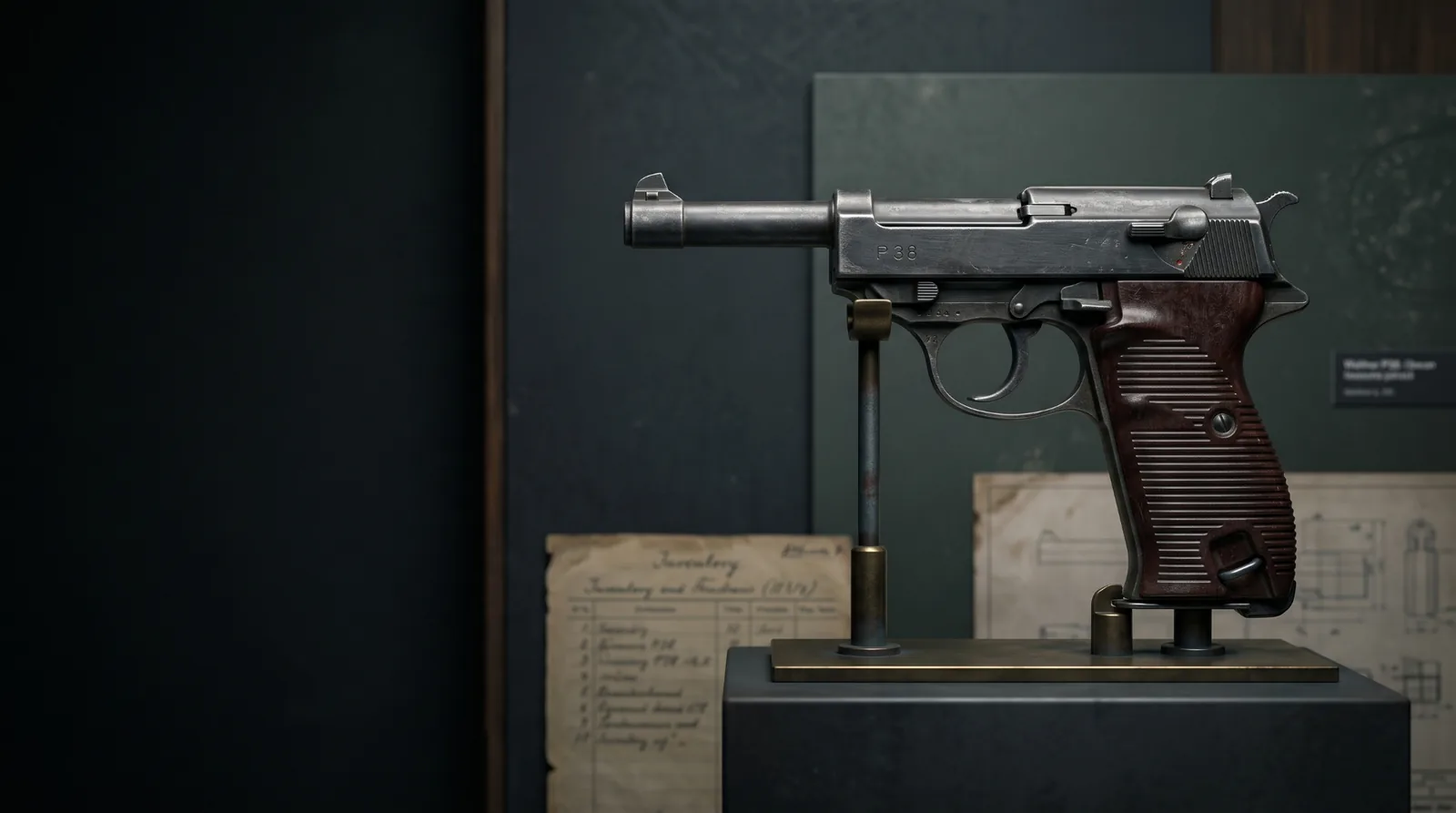
Walther P38 is a pistols history rooted in Germany. First associated with 1938, the design belongs to the wider story of historic service pistols. Its history is best understood through the people, institutions and events behind its name—not as a present-day product listing.
01 / THE ORIGIN
Walther developed the P38 as Germany sought a new military service pistol in the late 1930s. Its origins therefore belong to an institutional procurement story, not simply to a comparison with earlier Lugers.
02 / THE HISTORICAL JOURNEY
The pistol’s production history crosses the Second World War and later West German rearmament. Postwar P38 and P1 discussions may refer to different manufacturing periods and official designations.
03 / NAMES, VARIANTS & IDENTITY
P38 and postwar P1 are connected but not universally interchangeable labels for every wartime and postwar pistol.
Names also encountered in historical catalogs and searches include P38; Walther P 38; P1 pistol. These terms are useful starting points, not proof that two photographed objects share the same maker, date, or military provenance. When reading about a particular surviving specimen, look for a documented institutional collection number, manufacturer record, or contemporary source.
04 / WHY THIS MODEL MATTERS
The P38 is a useful example of a design surviving a dramatic break in national political history. The factory, the issuing state, and the historical meaning all changed.
The broader context is the history of historic service pistols. Political institutions, supply contracts, and public memory often determine which firearms remain famous and which survive mainly through specialist archives. These distinctions matter more than modern rankings or unsupported claims of superiority.
THE RESEARCH DOSSIER
Walther’s 1938 service-pistol story through museum objects. This supplemental research section separates sourced historical context from model-family interpretation and questions requiring object-level proof.
01 / The designation records a 1938 adoption
The Smithsonian's National Museum of American History dates the German military's adoption of Walther's design to 1938 under the “Pistole 38” name. In a biography, that institutional action is a stronger starting point than present-day recognition of the pistol's shape. The P38 emerged in a period when military users were adopting new self-loading sidearms, and its history can be examined through state procurement, German industry and the surviving evidence of manufacture. The simple label “World War II pistol” identifies a famous period, but misses the model's adoption chronology and later afterlife.
02 / Objects, makers, and later identity
A museum catalog entry for one P38 is not a complete description of every production run. Different makers, dates and later production histories are exactly why model-family naming matters. The Royal Museums Greenwich collection includes a P38 and associated items, providing a second institutional example of how objects are recorded. Comparing collection histories reminds the reader to distinguish manufacture date from acquisition or donation date. A pistol photographed inside a museum case could be a wartime survivor, a later-made object or a piece with incomplete provenance; the photograph alone does not decide which.
03 / Wartime context without mythology
The P38's place in German military history does not require romanticizing the institutions that used it. Object histories are strongest when they state which government adopted the type and when, then consider industrial production and surviving material evidence without advocacy. Wartime association also should not lead editors to assign an undocumented unit or event to an arbitrary example. Exact military service claims need provenance, such as unit records, acquisition documents or a credible chain of custody. The Smithsonian record supports the adoption milestone but cannot certify the life story of every preserved P38.
04 / The reference path forward
The next useful layer would be a documented glossary of factory markings and major production eras, written strictly as identification history rather than a modification or operating manual. It would be paired with museum accession records and period documents, not generalized collector folklore. This AllGuns entry links directly to institutional holdings so readers can compare what a verified object record looks like with a broader design-family narrative.
Evidence note. Manufacturer sources establish corporate chronology, while museum catalog entries document particular objects. Historical journalism provides context. The linked records do not verify the provenance or exact construction of our AI illustrations.
THE HISTORICAL TIMELINE
Earliest major introduction or designation associated with this record
The defining historical setting for the model's service and reputation
Variants, national service histories, and museum documentation add important context
Preserved as part of military, sporting or industrial-design history
COMMON HISTORY QUESTIONS
What country did the Walther P38 originate in?
The design's principal origin is Germany. This is an origin label, not a claim that every later example was manufactured in the same country.
When was the Walther P38 introduced?
1938 is the principal milestone used for this record. Prototype dates, military adoption, production, and later models may differ; always check which event a secondary source is dating.
What other names are associated with it?
Common search terms include P38; Walther P 38; P1 pistol. They may encompass nicknames, related service designations, or model-family references; consult primary documentation before equating specific variants.
EXPLORE CONNECTED HISTORIES
These neighboring biographies help place the model in a broader national or industrial context, without implying they are mechanically identical:
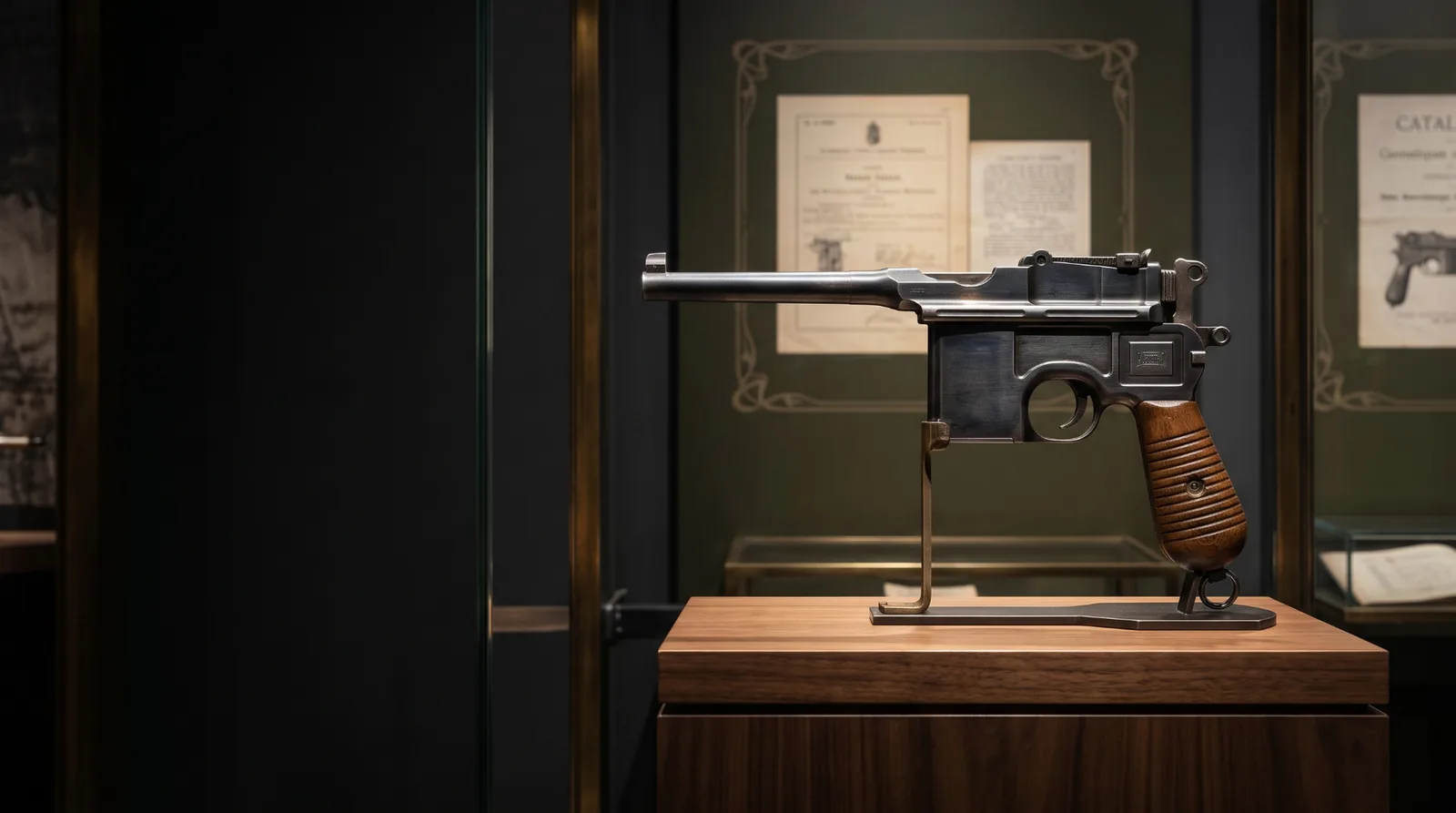
- Mauser C96 — Germany
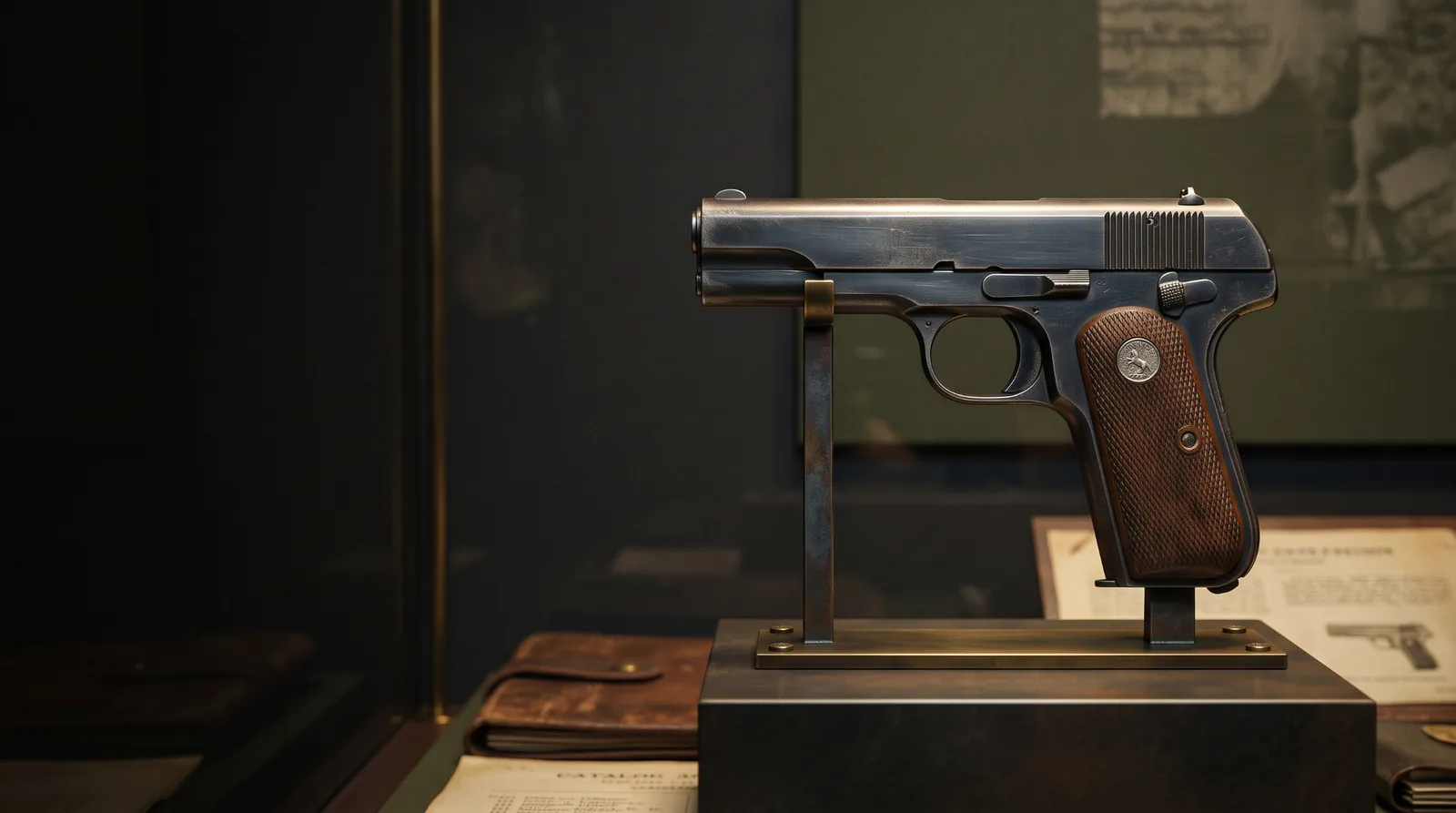
- Colt Model 1903 Pocket Hammerless — United States
SOURCES & FURTHER READING
These links are editorial starting points. Where a linked source concerns a wider model family, a particular example or variant requires its own verification. This page is a historical overview, not an instruction manual.
2 model-focused research references documented in the November 2026 editorial pass. Sources are cited for the claims and time periods described, not as proof of every surviving variant. Review the editorial standards.
- Royal Museums Greenwich — P38 collection object ↗RESEARCHDocumented historic object and accession context
- Smithsonian — German Walther P38 pistol ↗RESEARCHMuseum chronology of the Pistole 38 adoption
- Historical source: www.americanrifleman.org ↗READING
REFERENCE DOSSIER EXPANDED: NOVEMBER 21, 2026 · HISTORICAL RESEARCH · NO SALES OR OPERATING GUIDANCE.