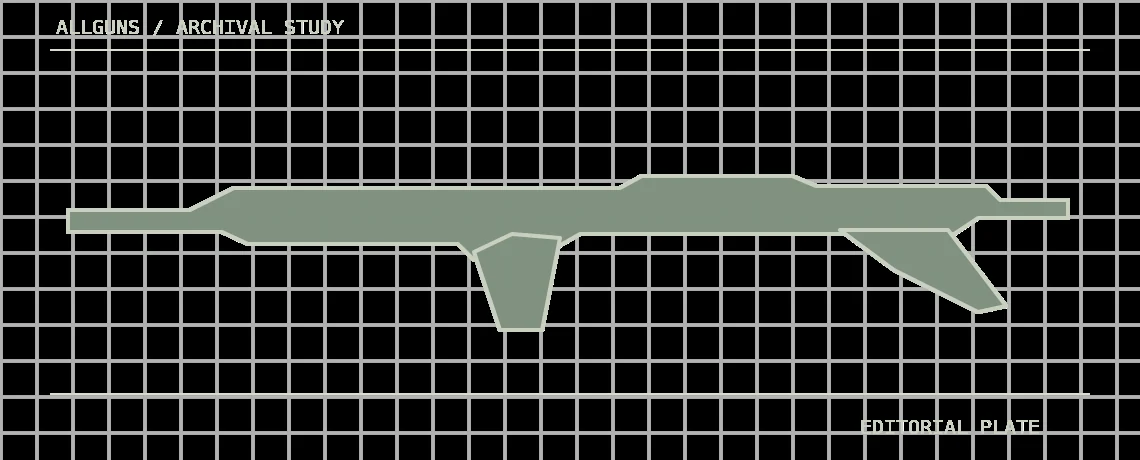
The Short Magazine Lee–Enfield was familiar across the British Empire and the Commonwealth. Its history is also the story of empire, industrial production, and repeated adaptation to changing military circumstances.
01 / THE ORIGIN
The SMLE emerged from late-Victorian British rifle evolution and the desire for a shorter, standardized infantry arm. The Mk I entered service in the early 1900s, while the Mk III became especially important before and during the First World War. It drew on the Lee action and decades of experimentation at Enfield.
02 / THE JOURNEY
SMLE rifles appeared in enormous numbers during the First World War, with production also linked to Australia and India. They continued in varied service roles during the Second World War and beyond. The rifle’s changing marks and country-of-manufacture markings offer a lens into the logistical geography of the Commonwealth.
03 / THE LEGACY
For museums and historians, the SMLE is not merely a wooden-stocked object; it connects trench warfare, industrial communities, imperial networks, and the memories of millions of servicemembers. Its continued visibility says much about long-lived military designs.
THE HISTORICAL TIMELINE
Early SMLE service
Mk III introduced
Major First World War service
Later Lee–Enfield families coexist
SOURCES & READING
These are starting points for independent research. Where sources cover a broader family, model-specific details should be checked against period records.
- Royal Armouries: Arms of the First World War ↗REFERENCE
- U.S. Naval History and Heritage Command ↗REFERENCE
LAST EDITORIAL REVIEW: NOVEMBER 2026 · HISTORICAL SUMMARY · NO BUY/SELL CONTENT.